Fender,
Amplifying expression for every player, at every stage.
Client:
Fender
Year:
2025
Role:
- Creative Direction
- Strategy
- Campaign
- Digital Design

Reinforcing the iconic brand’s role in shaping music and culture for generations to come.
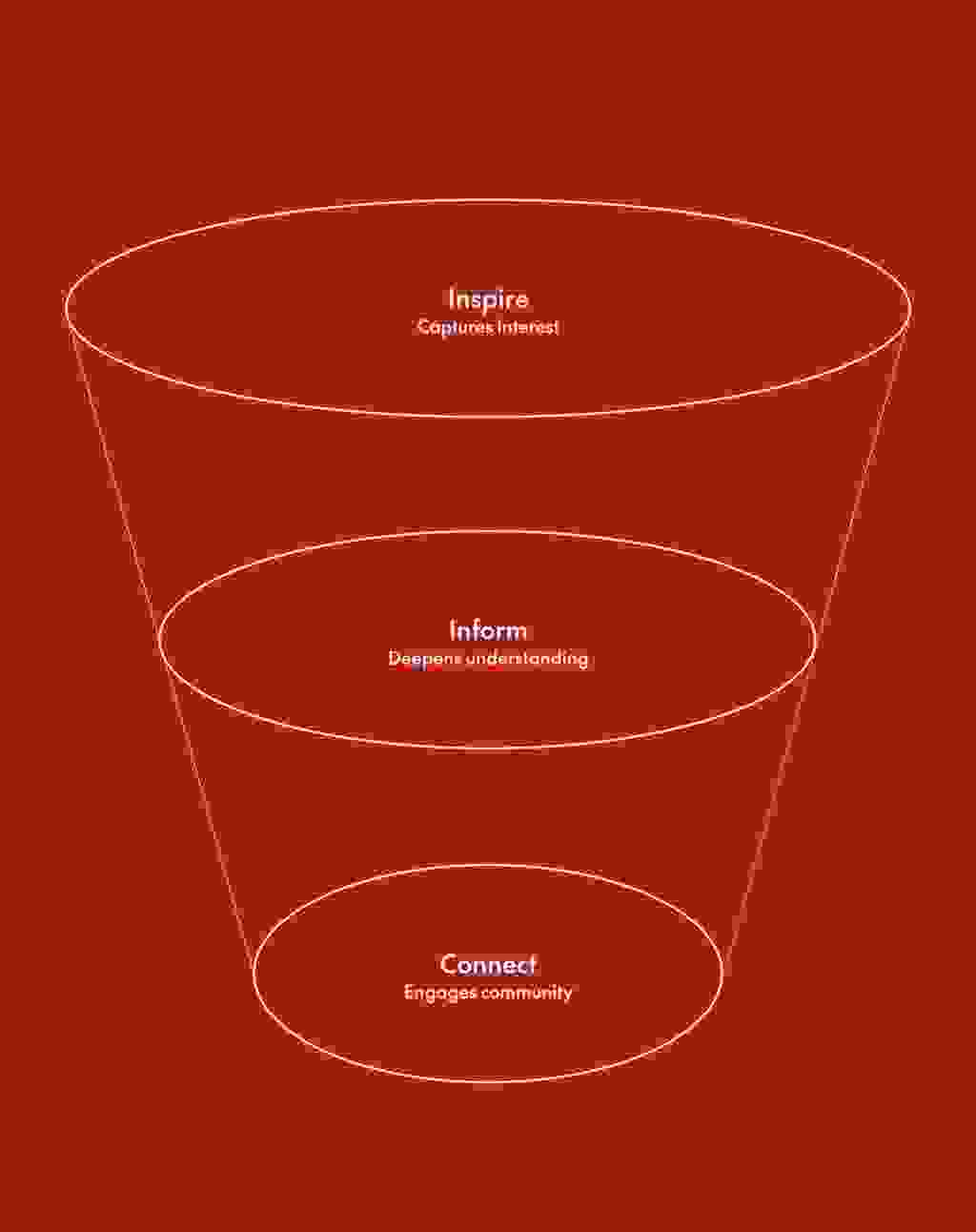
Category research and social listening inform how we show up as a brand.
Insights & Opportunities
A campaign strategy that connects culturally, creatively, and emotionally.


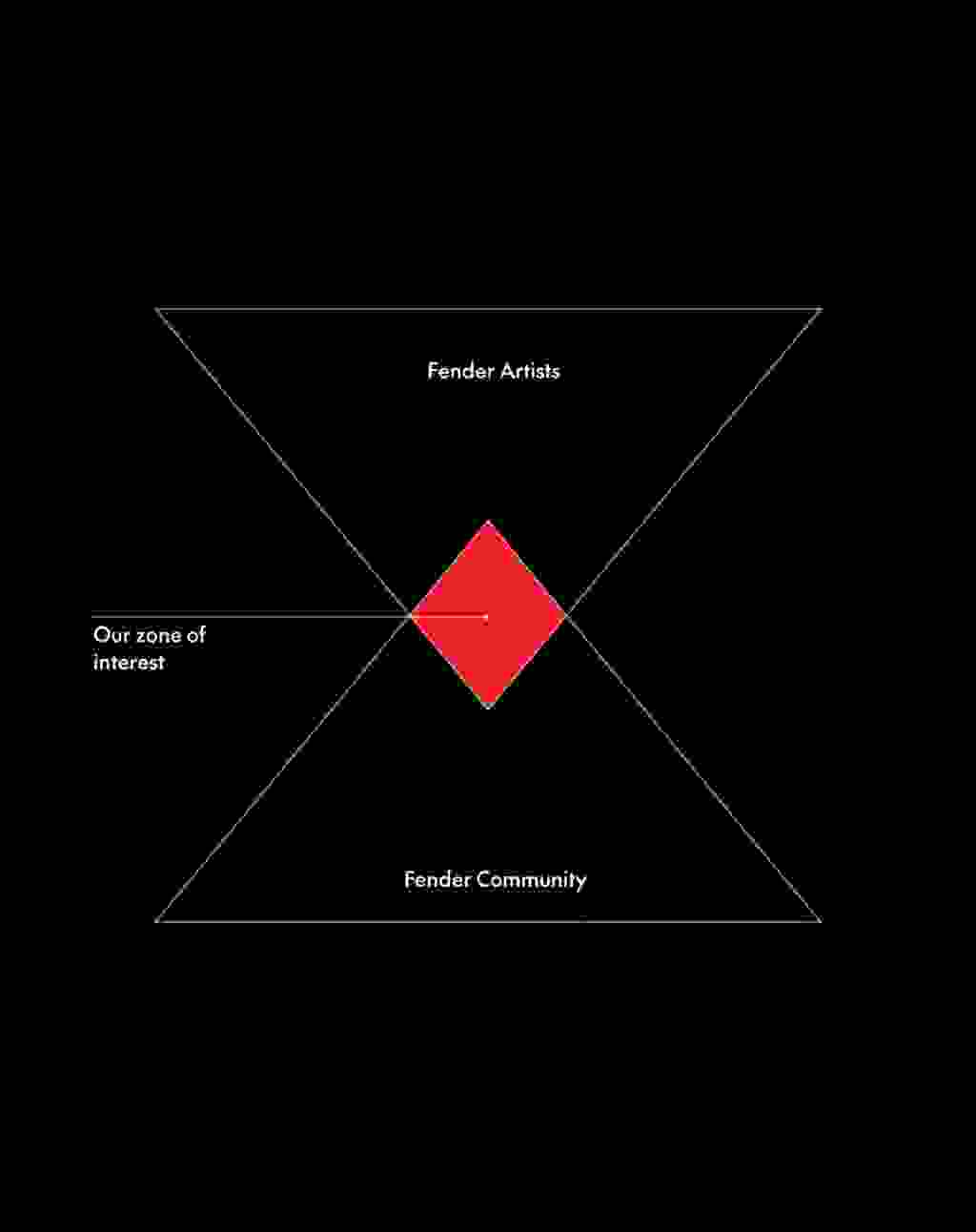
From the bedroom to the main stage, we’re reaffirming our role as an Artist’s Brand, and putting our audience closer to the music they love.
Area of Opportunity

A flexible and modern brand system that adapts based on product, price, and player.


Page 1 of 4
Balancing heritage with modernity through an updated approach to typography.


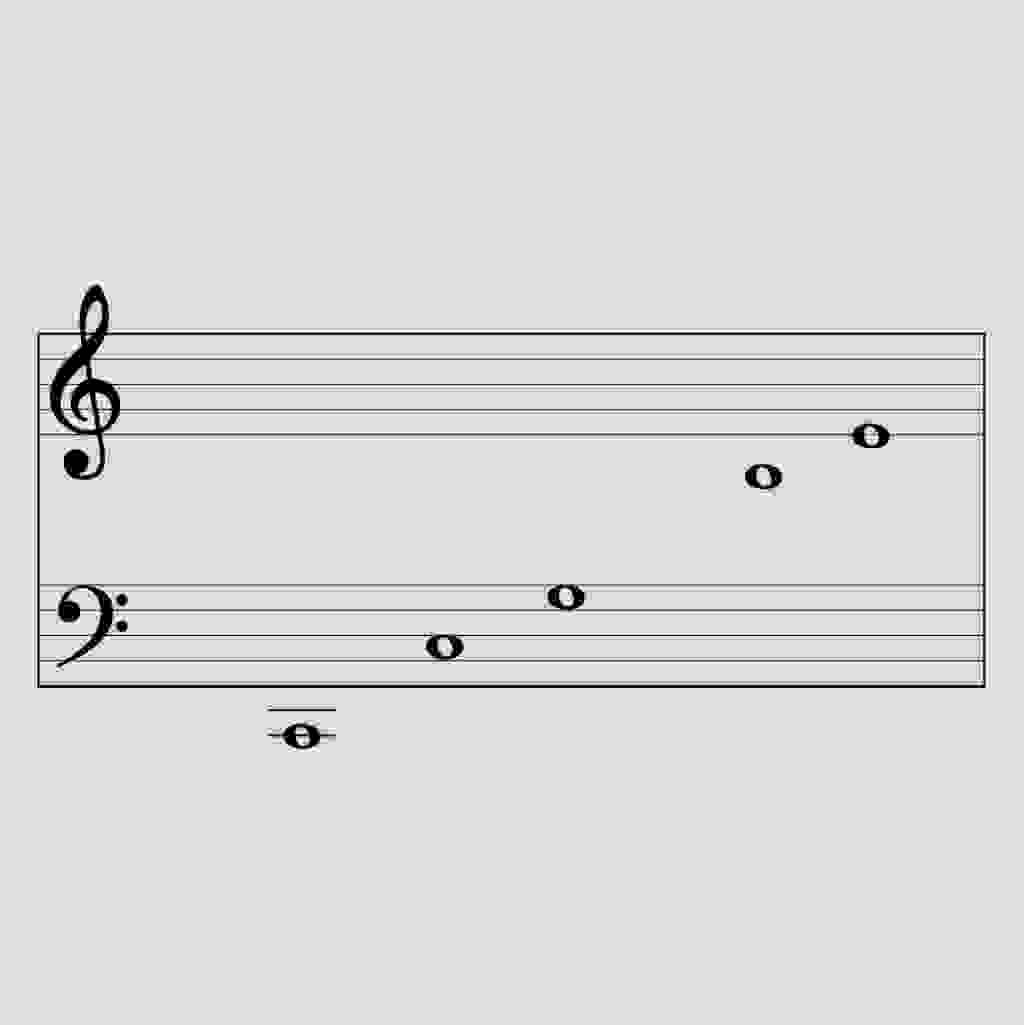
Some of the Design System’s earliest inspirations can be traced back to musical scales and tonal relationships.
Style Guides


Project description
Amplifying expression for every player, at every stage.
Fender has been shaping music and cultural expression for nearly eight decades. A true pioneer in the space, they don’t just craft instruments, they define them.
But as our relationship with the music we love and the artists we look up to has changed through platforms and streaming services over time, the landscape has become more complex. It’s harder to stand out. Cult-followings get replaced with trend-hungry fans. Labels that care more about virality than craft and vision.
Amidst this, Fender approached us with a challenge: how can we, as a brand and fans of music, be closer to the things we love? And how can we give that feeling back to a global community of players who feel the exact same way?
To understand the invisible forces at play, we put an ear to the ground through cultural and categorical research. Ultimately, the frustrations outlined above are equally felt by Artists and Players alike, and served as a common enemy for our work to unfold against. It unlocked the ability to reaffirm Fender’s role as an Artist’s brand, and act as a bridge between today’s most influential and visionary musicians, and a vibrantly global community of talented and creative individuals.
But in order to bridge this gap, we had to evolve the way we show up as a brand. Our storytelling needed to shift from longer-form, in-studio capture, and instead meet our audience where they’re at: out in the world, on stages of all sizes—from the bedroom to the sold-out stadium.
Our campaigns then need to go beyond just reaching our audience, to actually entertaining them. Whether it's a behind-the-design breakdown of a new model, or the introduction of a breakthrough artist, the work shows up in a way that our audience is used to—more like it's coming from their favorite creator, and less like a legacy brand.
And while the Fender brand has a lot of heritage and equity in its design language, we didn’t want a visual identity that felt fixed and monolithic. Instead, we developed a language that reacts to factors such as price, product family, and player level to inform the output. In this way, the design is as much about bringing modernity to the heritage brand, as it is about signaling intent for customers.
The result is a brand that confidently spotlights artists while remaining relatable and in-touch with their vibrant community. Almost eighty years in, and still nothing plays like a Fender.
Credits
- Creative Direction, Visual Identity, Digital Design:Mouthwash Studio
- Art Direction Support:Brian Kanagaki
- Social Strategy Support:Emma Chozick
- Design Support:Luke Hoban
- Photography:Eduard Sánchez Ribot
- Photography:Deanie Chen
- Set Dressing:Adria Escribano
- Fender Brand:
Evan Jones
- Fender Brand:
Matthew Deak
- Fender Brand:
Brandon Ramirez
- Fender Brand:
Beth Wawerna
- Fender Brand:
Martin Powell